Eight Limbs of Yoga Explained: Patanjali’s Modern Guide

Explore the Eight Limbs of Yoga: A Modern Guide to Ethical Living, Breath, Meditation, and More
Yoga is more than just a physical practice; it is a holistic approach to life that encompasses ethical living, breath control, meditation, and much more. The Eight Limbs of Yoga, as outlined by the sage Patanjali in the Yoga Sutras, provide a comprehensive framework for personal growth and spiritual development. In this blog post, we will explore each of these limbs in a modern context, offering practical tips and insights to help you integrate them into your daily life for a balanced yogic journey.
Understanding the Eight Limbs of Yoga
The Eight Limbs of Yoga, or Ashtanga, serve as a guide to living a meaningful and purposeful life. They include:
- Yama: Ethical standards and moral values
- Niyama: Self-discipline and spiritual observances
- Asana: Physical postures
- Pranayama: Breath control
- Pratyahara: Withdrawal of the senses
- Dharana: Concentration
- Dhyana: Meditation
- Samadhi: Enlightenment or bliss
1. Yama: The Ethical Foundations of Yoga
The first limb, Yama, focuses on ethical living and how we interact with the world around us. It consists of five principles:
- Ahimsa: Non-violence
- Satya: Truthfulness
- Asteya: Non-stealing
- Brahmacharya: Moderation
- Aparigraha: Non-possessiveness
Incorporating these principles into your daily life can lead to a more harmonious existence. For example, practicing ahimsa can mean choosing a plant-based diet or advocating for social justice. Reflect on how you can embody these values in your interactions and decisions.
2. Niyama: Cultivating Personal Discipline
Niyama, the second limb, emphasizes self-discipline and personal observances. It includes:
- Shaucha: Purity
- Santosha: Contentment
- Tapas: Austerity
- Svadhyaya: Self-study
- Isvara Pranidhana: Surrender to a higher power
To practice Niyama, start by setting aside time for self-reflection. Journaling about your thoughts and feelings can enhance your svadhyaya practice. Additionally, consider incorporating daily rituals that promote shaucha, such as decluttering your space or practicing mindfulness during meals.
3. Asana: The Physical Practice
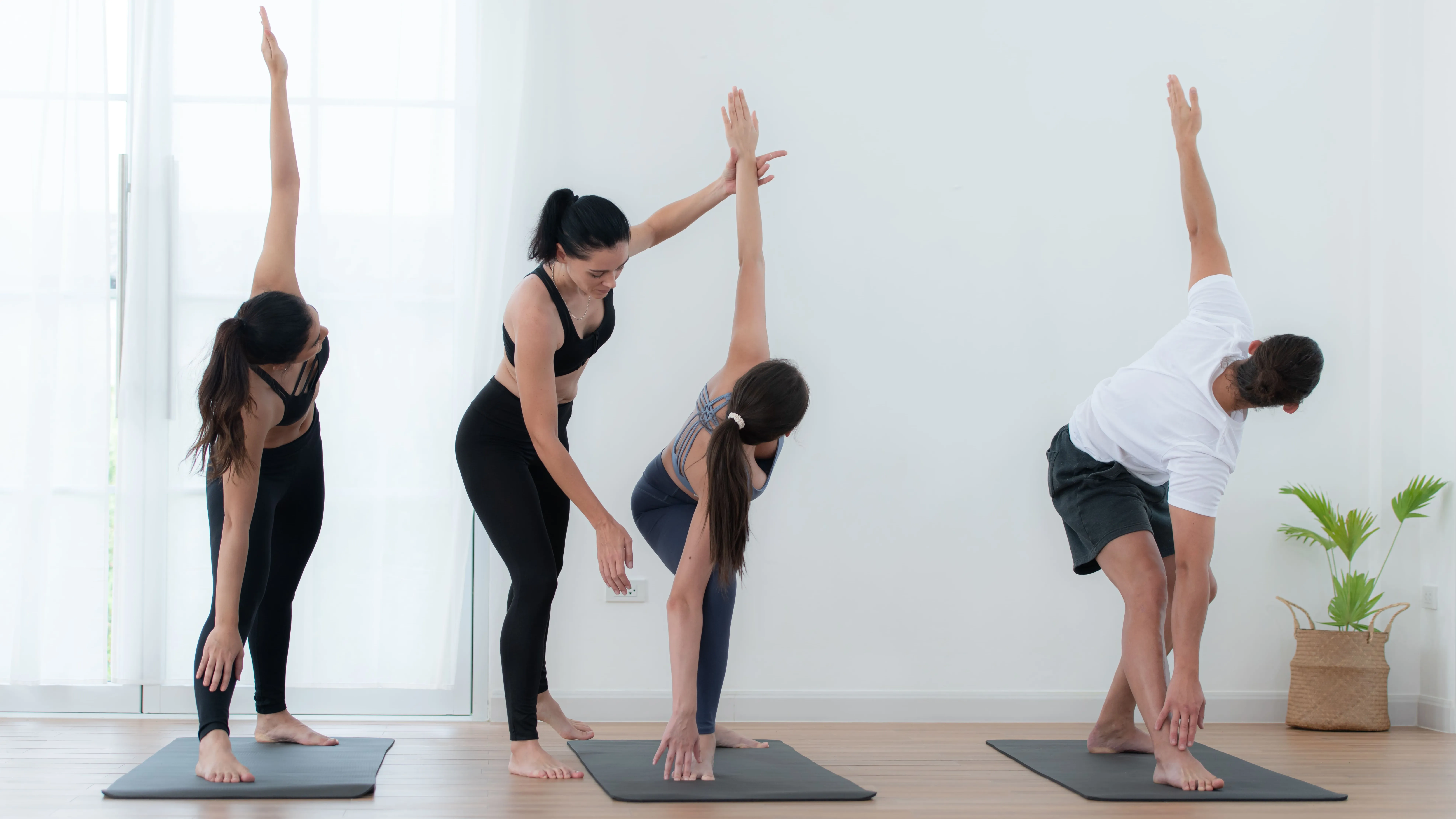
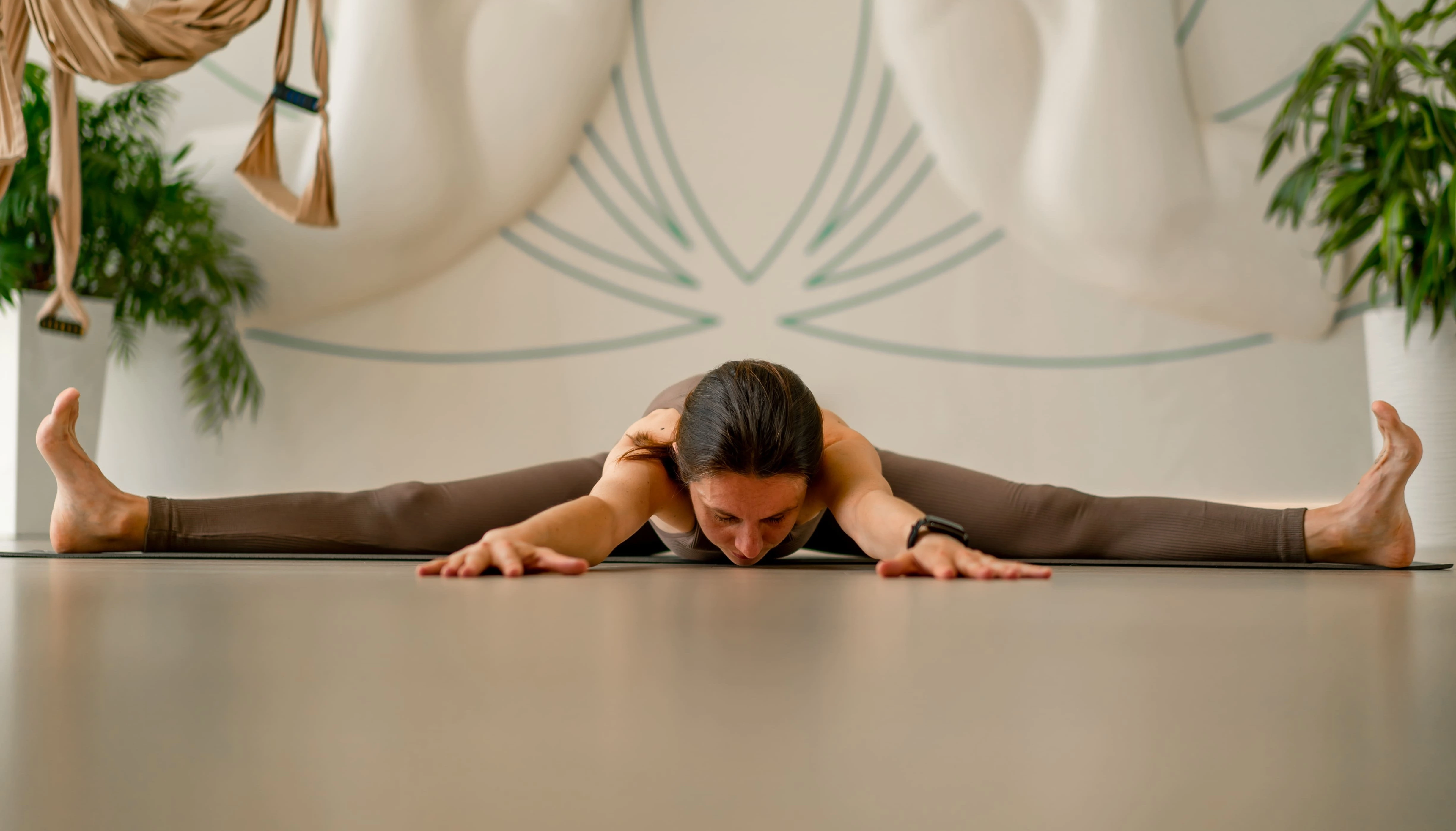
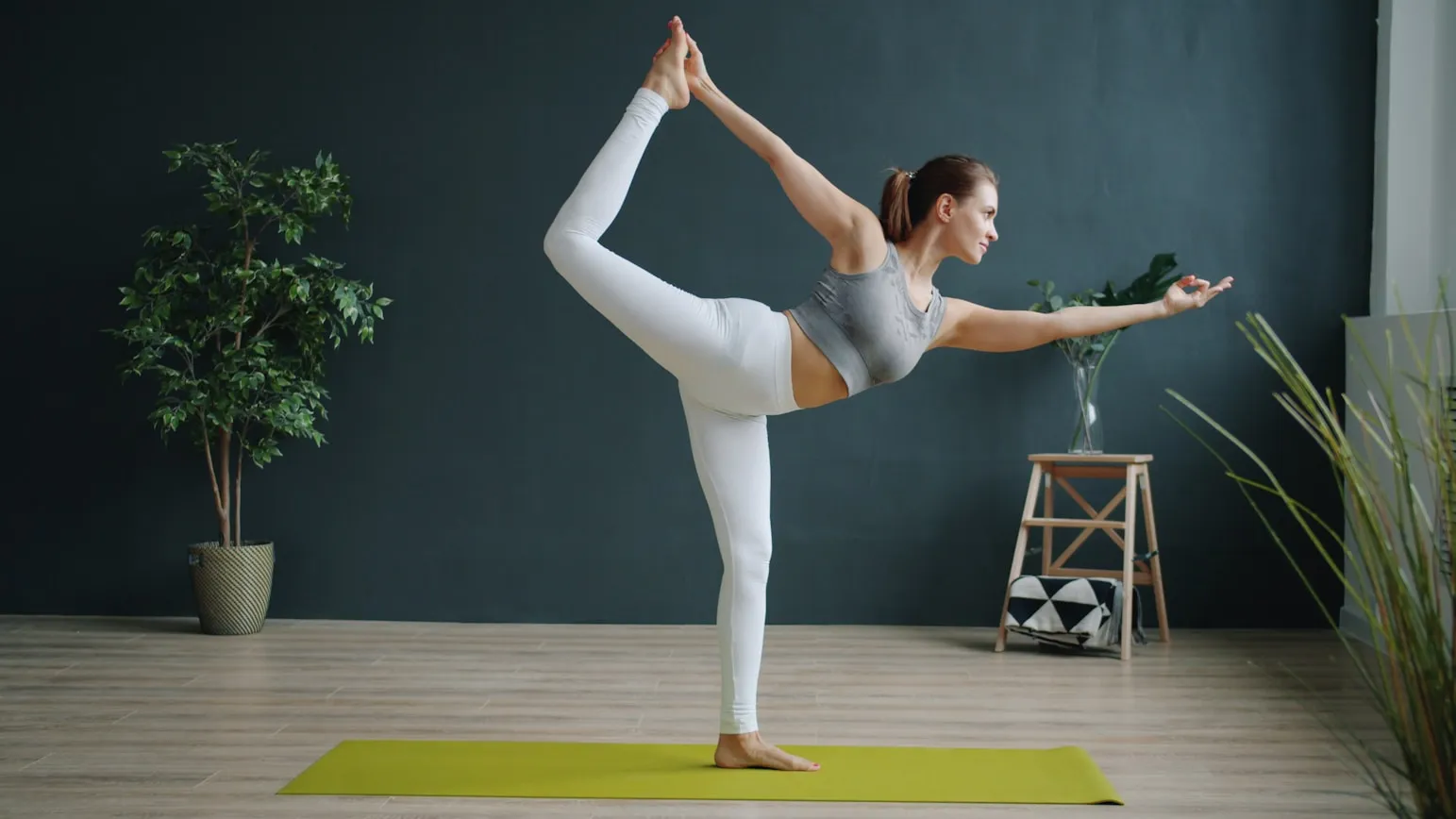
Asana, the third limb, refers to the physical postures of yoga. While many people associate yoga solely with asanas, they are just one aspect of the broader practice. Here are some popular asanas to incorporate into your routine:
- Downward Dog (Adho Mukha Svanasana): A foundational pose that stretches the entire body.
- Warrior II (Virabhadrasana II): Builds strength and stability.
- Tree Pose (Vrksasana): Enhances balance and focus.
To deepen your asana practice, focus on alignment and breath. Remember to listen to your body and modify poses as needed. Consider joining a local class or following online tutorials to explore different styles, such as Hatha, Vinyasa, or Yin yoga.
4. Pranayama: Mastering the Breath
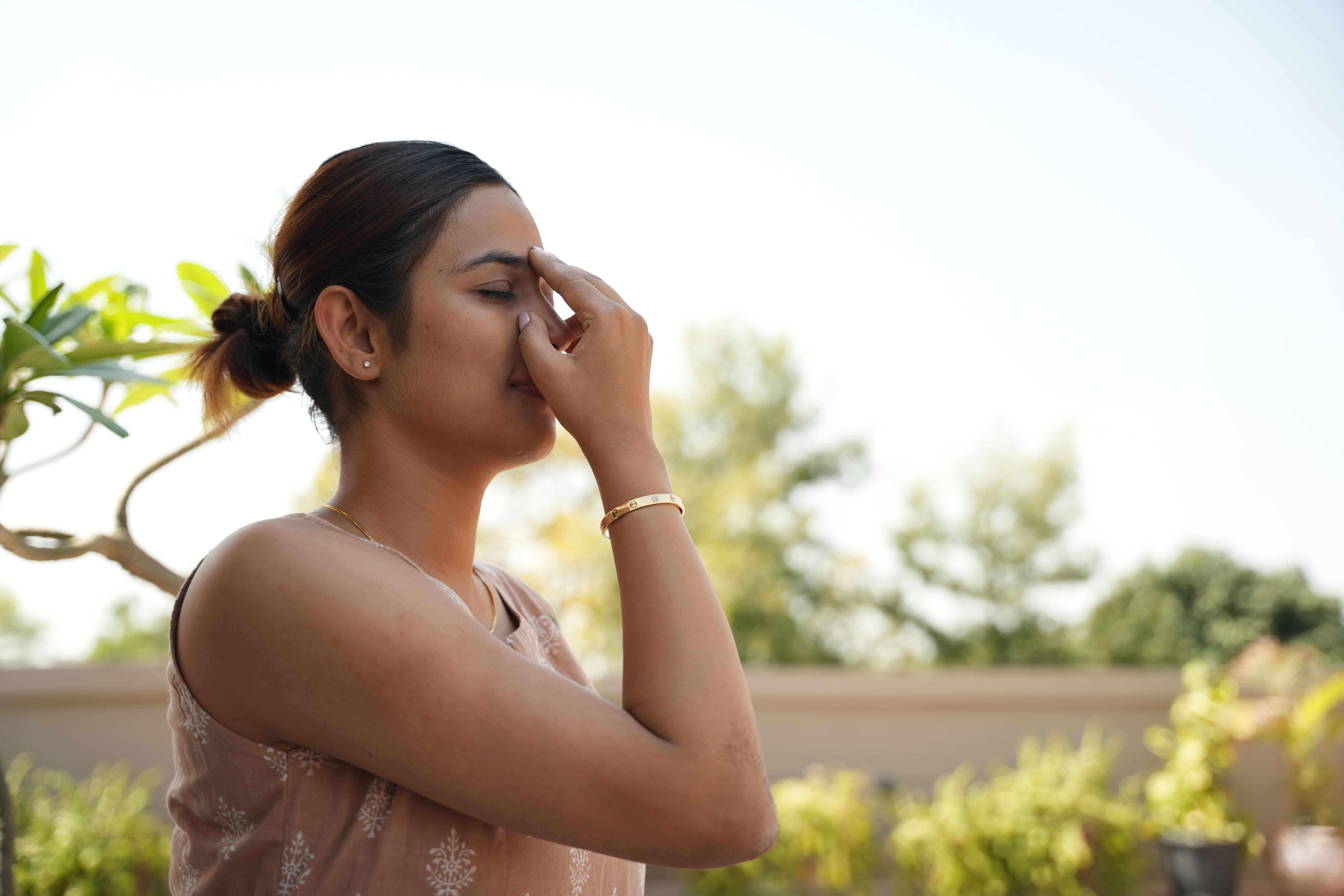
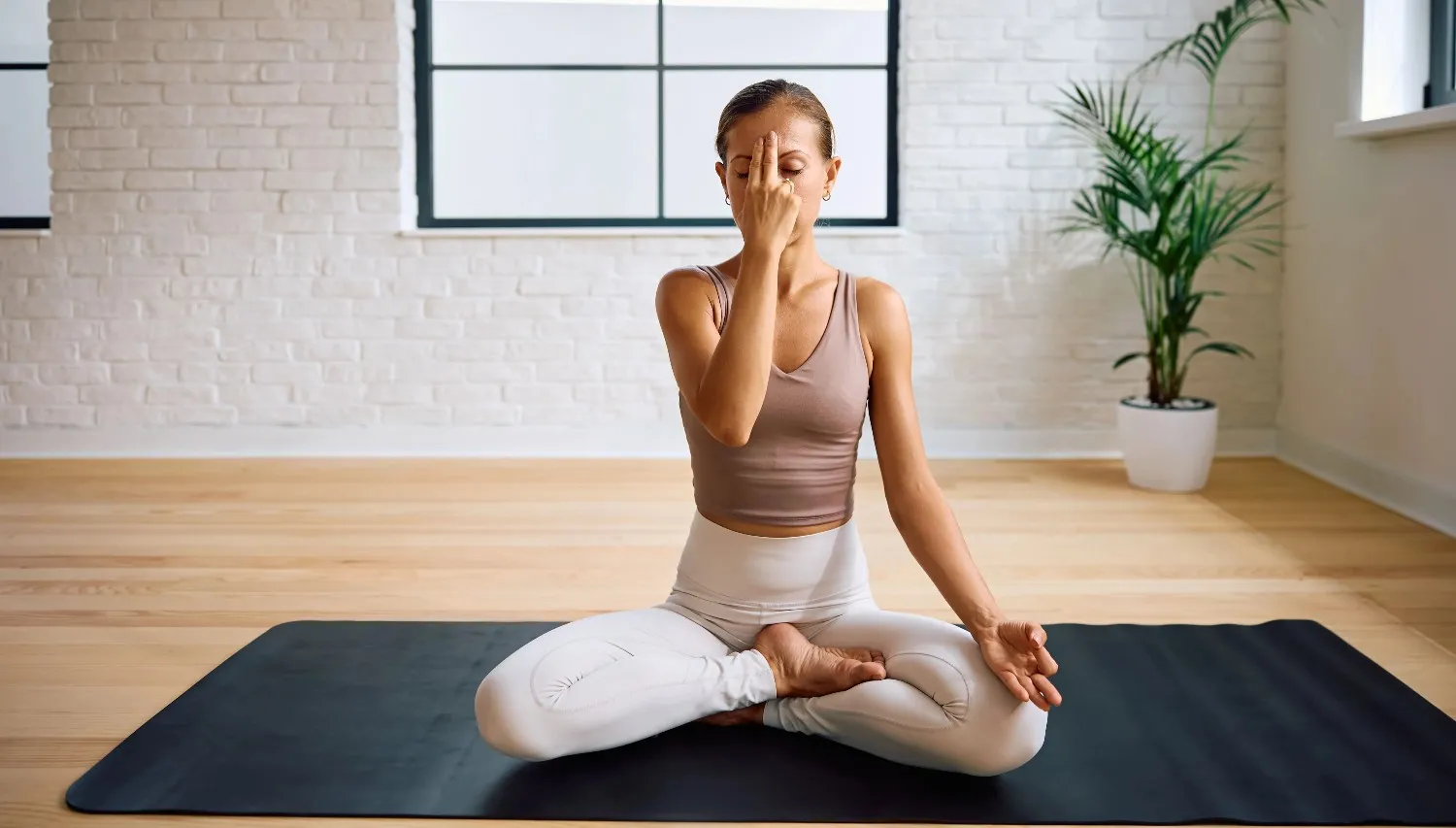
Pranayama, the fourth limb, involves breath control and is essential for calming the mind and energizing the body. Here are some effective pranayama techniques to try:
- Nadi Shodhana: Alternate nostril breathing that balances energy.
- Ujjayi Breath: Ocean-sounding breath that promotes focus.
- Kapala Bhati: Skull shining breath that energizes and detoxifies.
Incorporate pranayama into your daily routine by practicing for just a few minutes each day. This can significantly enhance your overall well-being and prepare you for meditation.
5. Pratyahara: Turning Inward
Pratyahara, the fifth limb, is the practice of withdrawing the senses. This can be challenging in our fast-paced, distraction-filled world. To cultivate pratyahara, try the following techniques:
- Practice mindfulness during daily activities, such as eating or walking.
- Engage in silent meditation to reduce sensory overload.
- Limit screen time and create a calming environment at home.
By turning your focus inward, you can develop a deeper understanding of your thoughts and emotions, paving the way for greater self-awareness.
6. Dharana and Dhyana: Concentration and Meditation
Dharana (concentration) and Dhyana (meditation) are the sixth and seventh limbs, respectively. These practices are essential for
cultivating a peaceful mind and achieving a state of flow. Here are some tips to enhance your practice:
- Start with short meditation sessions, gradually increasing the duration.
- Use guided meditations or apps to help you stay focused.
- Experiment with different meditation techniques, such as loving-kindness or body scan.
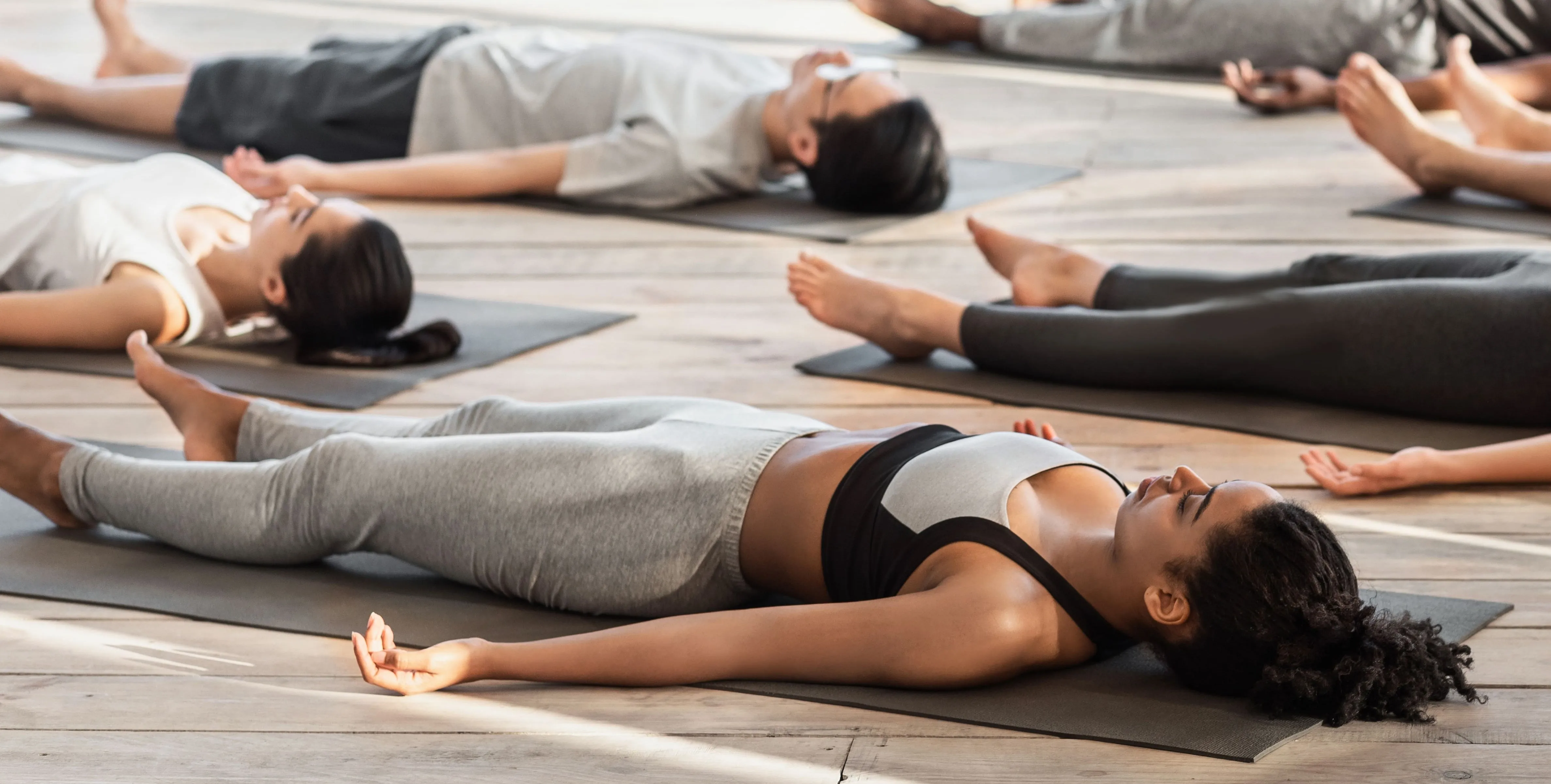
As you develop your concentration skills through dharana, you will find it easier to enter a meditative state (dhyana), allowing for deeper insights and tranquility.
7. Samadhi: The Ultimate Goal
Samadhi, the eighth limb, represents a state of bliss and enlightenment. While it may seem unattainable, the journey toward samadhi is what truly matters.
Embrace the process of self-discovery and personal growth as you explore the Eight Limbs of Yoga. Remember that each limb supports the others, creating a holistic approach to your practice.
Benefits of Practicing the Eight Limbs of Yoga
Integrating the Eight Limbs of Yoga into your life can lead to numerous benefits, including:
- Improved mental clarity: Regular meditation and concentration practices enhance cognitive function.
- Increased physical health: Asanas promote flexibility, strength, and overall well-being.
- Emotional balance: Ethical living and self-discipline foster resilience and emotional stability.
- Spiritual growth: The journey through the Eight Limbs encourages self-discovery and connection to a higher purpose.
Conclusion: Embark on Your Yogic Journey
The Eight Limbs of Yoga offer a profound framework for living a balanced and fulfilling life. By exploring each limb in a modern context, you can cultivate ethical living, enhance your breath, deepen your meditation practice, and ultimately embark on a transformative yogic journey. Start today by integrating these principles into your daily routine and watch as your life transforms.
Bodsphere: Bringing Patanjali’s Wisdom to Your Practice
- If you want to go beyond poses and truly experience the eight limbs of yoga in practice, the Bodsphere International Accreditation Authority
offers the world’s most affordable yoga teacher training programs.While traditional schools charge hundreds or thousands of dollars, Bodsphere provides ALL yoga teacher trainings for just USD 9.99 or ₹99 through the Bodsphere App
This is the world’s only all-in-one yoga training platform—making Patanjali’s wisdom accessible to everyone.
📲 Download the Bodsphere App today and begin your journey into authentic yoga.